The Future of Mobile First Marketing and How Workplace Upskilling Will Shape Digital Communication in 2026
Video created by Nevada Gray Studio using Google Veo 3.
How Mobile Technology Is Reshaping Marketing and Consumer Behavior
The rise of mobile technology has transformed marketing and communication more dramatically than any shift since social media first reshaped brand storytelling. With an estimated 91% of Americans owning a smartphone and users accessing the web through a mobile device, brands must design experiences that meet consumers where they are, on the phone, multitasking, and expecting seamless connectivity (Pew Research Center, 2025). Approximately 35% of that time is spent on social media apps worldwide. Mobile screens have become the new storefront, influencing how people search, shop, and make decisions in real time. Workplace culture has evolved as well, as mobile platforms support continuous communication and cross department collaboration through tools such as Slack, Teams, and WhatsApp Business, giving organizations the agility to move quickly regardless of physical location. With global users now spending more than four and a half hours per day on mobile devices, marketing teams face a renewed challenge to create frictionless, thumb stopping experiences that resonate within seconds and support the fast moving consumer behaviors that define modern digital engagement.
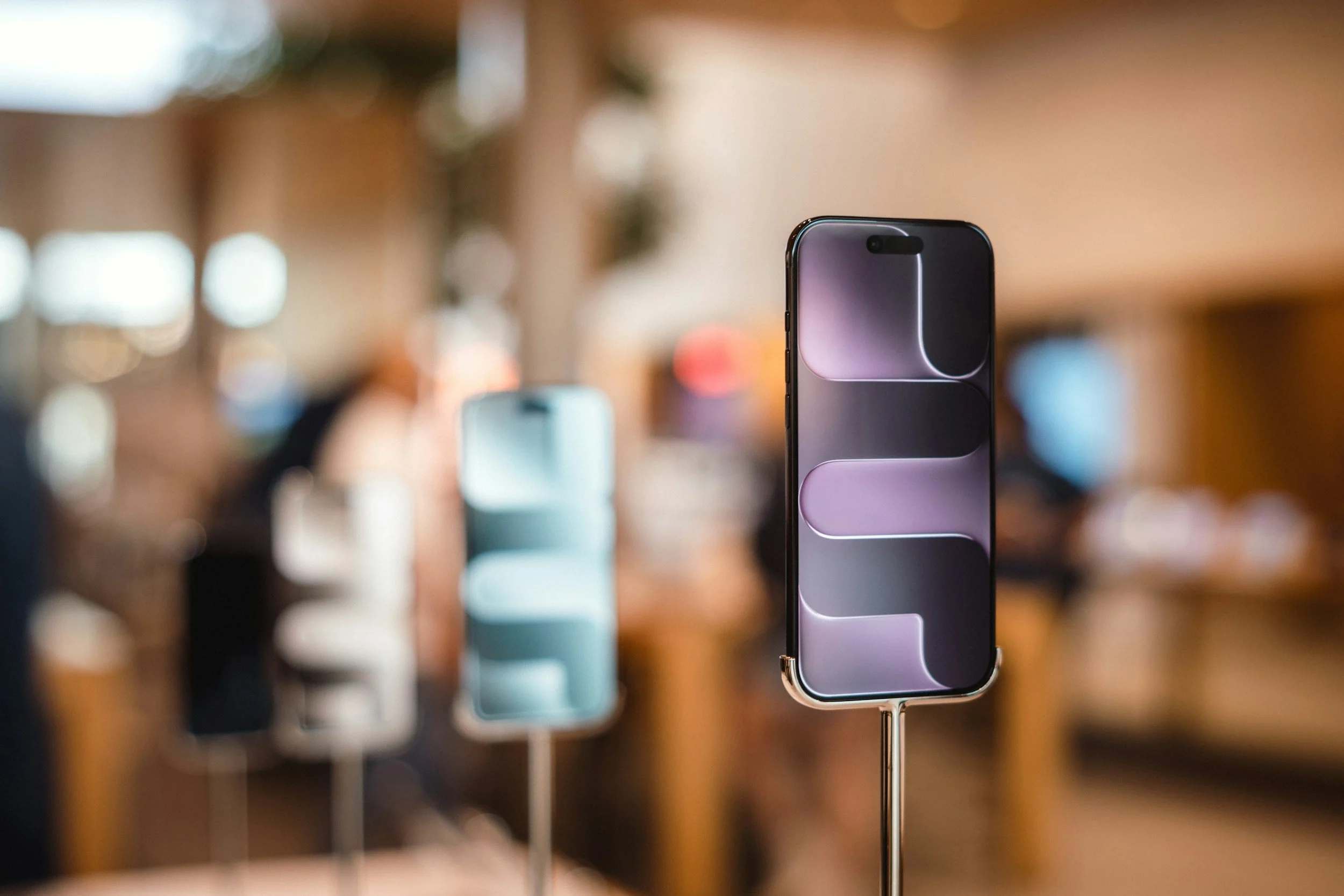
Stock Image from: Unsplash
This mobile first revolution has created an urgent need for marketing and communication professionals to refine skills in responsive design, mobile SEO, UX writing, short form storytelling, and accessibility centered development. Research shows that optimized mobile UX drives performance, with 74% of users more likely to return to a site that functions well and 63% more likely to purchase when mobile apps offer relevant product recommendations (Bufe, 2025).
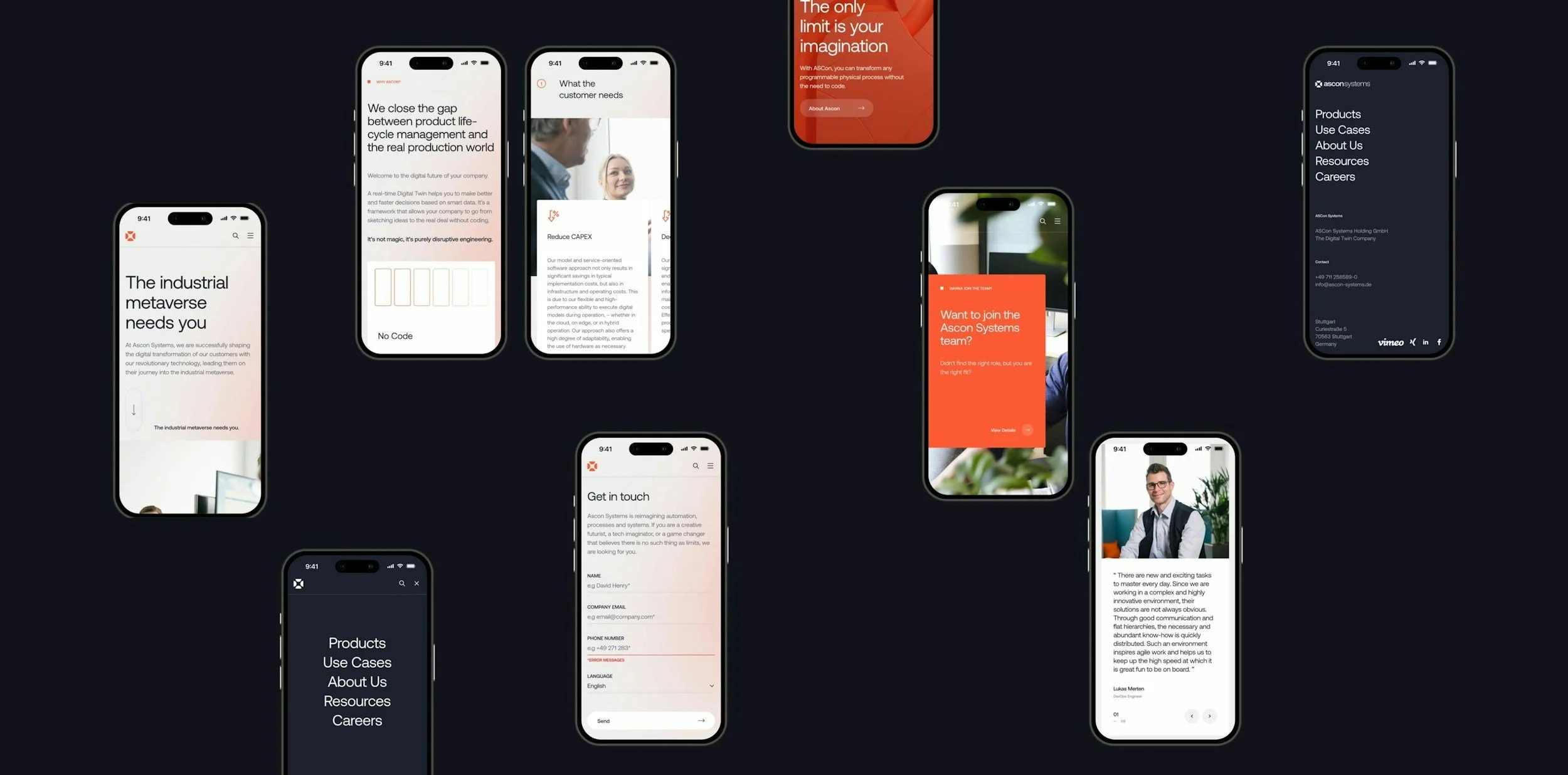
Stock Image from: Unsplash
How Mobile Apps Are Driving Retail ROI and Transforming the Customer Experience
Retail settings offer one of the most successful demonstrations of mobile return on investment (ROI). Walmart’s mobile app, which serves tens of millions of active users each month, enhances both in store and online shopping through wayfinding features, digital coupons, mobile checkout, and personalized recommendations. As mobile engagement continues to influence how consumers browse and buy, apps have become the preferred digital touchpoint, with nearly two-thirds of internet users choosing an app over any website experience (Haan & Williams, 2025). Walmart’s new partnership with OpenAI will enable consumers to complete purchases directly via chat in ChatGPT, signaling a shift to conversational commerce that demands mobile-app fluency from both customers and teams preparing AI-powered retail experiences (Walmart, 2025).
Why Mobile-First Success Depends on Workforce Training and Digital Skills
This shift highlights the need for companies to invest in high-performing mobile platforms and develop teams with the skills to design, manage, and refine app interactions that genuinely support the customer journey. A study by Grewal et al. (2024) showed mobile and in-store technologies enhance both customer and employee experiences, yet their impact depends heavily on whether workers are trained to use tools such as AI systems, retailer apps, smart wearables, and automation effectively. Without targeted upskilling, organizations risk missing the efficiency gains and communication improvements mobile and artificial intelligence (AI) technologies are designed to deliver, especially as mobile-first environments continue to reshape retail and service roles in 2026 (Grewal et al., 2024). This reinforces an important truth, a mobile app delivers value only when employees understand it well enough to educate consumers. As businesses continue shifting into mobile first ecosystems, upskilling teams in app utilization, AI automation, mobile communication techniques, and digital customer support will influence sales performance, brand loyalty, and the overall customer experience.
References:
Barnhart, B. (2025, August 28). 21 must-have digital marketing tools to help you grow. Sprout Social. https://sproutsocial.com/insights/digital-marketing-tools/
Bufe, A. (2025, March 31). 50+ powerful UX statistics to impress stakeholders 2025. UXCam. https://uxcam.com/blog/ux-statistics/
DataReportal, & Meltwater, & We Are Social. (February 5, 2025). Distribution of the time spent using mobile apps worldwide in 2024, by category [Graph]. In Statista. Retrieved December 07, 2025, from https://www.statista.com/statistics/1465726/global-daily-time-spent-mobile-usage/
DataReportal, & We Are Social, & Meltwater. (February 5, 2025). Average daily time spent using the internet on mobile for users worldwide in 2024, by region (in hours.minutes) [Graph]. In Statista. Retrieved December 07, 2025, from https://www.statista.com/statistics/1288783/daily-time-spent-online-via-mobile/
Grewal, D., Benoit, S., Noble, S. M., Guha, A., Ahlbom, C.-P., & Nordfält, J. (2024). Leveraging in-store technology and AI: Increasing customer and employee efficiency and enhancing their experiences. Journal of Retailing, 100(1), 1–18. https://doi.org/10.1016/j.jretai.2023.10.002
Haan, K., & Williams, R. (2025, October 24). Top website statistics for 2025. Forbes. https://www.forbes.com/advisor/business/software/website-statistics/#sources
Pew Research Center. (2025, November 20). Mobile fact sheet. https://www.pewresearch.org/internet/fact-sheet/mobile/
Walmart. (2025, October 14). Walmart partners with OpenAI to create AI-first shopping experiences. Walmart Corporate. https://corporate.walmart.com/news/2025/10/14/walmart-partners-with-openai-to-create-ai-first-shopping-experiences

Nevada Gray Studio