Nevada Gray Studio.
Building Brands. Creating Connection.

Digital Marketing
Graphic Design
Marketing Strategy & Communications Blog
Designed to empower small businesses and personal and professional brands, this blog shares modern marketing and communications strategies that use current technology to help you connect people with ideas, stories, and community.

How Small Businesses Can Sell Online in 2026 Using ChatGPT and TikTok Shop
AI-powered shopping is reshaping how consumers discover and purchase products online. Recent 2025 surveys show that nearly 60 percent of Gen Z and almost half of Millennials already use tools like ChatGPT to support online purchases, while global interest in features such as virtual try-ons and AI shopping assistants continues to rise. Small businesses that prioritize clear information, trust, and customer-focused experiences are well positioned to benefit as AI-driven commerce continues to gain traction.
How Audiences Are Reshaping Mass Media: Marketing, Culture, and Technology in the AI Era
Mass media influence has changed from a top-down broadcast model to a bottom-up, audience-driven ecosystem shaped by participation, technology, and cultural expectation. Algorithmic platforms, AI-generated influencers, creator economies, and live shopping increasingly reflect how people interact, socialize, and make meaning in real time. Industry research from Deloitte’s Digital Media Trends (2025) shows that social platforms now operate as blended entertainment, commerce, and community spaces, while Pew Research Center (2025) documents declining trust in institutional media alongside growing reliance on creators and peer networks for credibility and connection. Peer-reviewed studies further reinforce this transformation, finding that live shopping and IRL (in real life)-style interactions increase trust, community, emotional engagement, and perceived authenticity by replicating social culture at scale (Hou & Hou, 2024; Wang et al., 2022).

The Algorithmic Mirror: How AI Personalization Shapes Digital Culture and Identity
Digital culture no longer behaves like a collective audience. Every individual now receives a custom-curated reality from algorithmic recommendation engines across TikTok, Instagram Reels, YouTube, Spotify, and increasingly within news ecosystems. Personalization no longer enhances the media experience. Personalization defines the media experience. As Deloitte notes, social platforms function as entertainment hubs that deliver hyper-curated content ecosystems, guiding how user discovery unfolds and how culture evolves across generations (Widener et al., 2025). This shift has reconditioned expectations for instant relevance, zero-friction engagement, and adaptive storytelling personalized by each user’s behavioral data.
AI, Credibility, and Culture: How Synthetic Media Rewired Public Trust in Mass Communication
Mass media once operated as a stabilizing cultural institution. That role has fractured in an era where AI-generated content, deepfakes, and algorithmic amplification influence public perception in real time. Deloitte’s 2025 Digital Media Trends report reveals a pattern of how audiences navigate media environments where authenticity is questioned, verification is expected, and trust is no longer automatically assigned to traditional institutions (Widener et al., 2025). Communicators now operate inside a system where synthetic narratives circulate as fast as verified information, redefining cultural expectations of credibility and social proof.
Data Driven Marketing in 2026: How Analytics and Workforce Upskilling Create Stronger Communication Outcomes
Data analytics continues to redefine marketing communication into 2026, influencing how brands interpret audience behavior, refine messaging, and direct digital strategy with greater precision. Research shows that companies with strong customer-analytics capabilities consistently outperform competitors, often doubling sales performance and achieving more than twice the return on investment (ROI) of organizations that rely on limited data use (Bokman et al., 2014). These results highlight how turning data insights into action fuels meaningful revenue growth and strengthens communication outcomes.
The Future of Mobile First Marketing and How Workplace Upskilling Will Shape Digital Communication in 2026
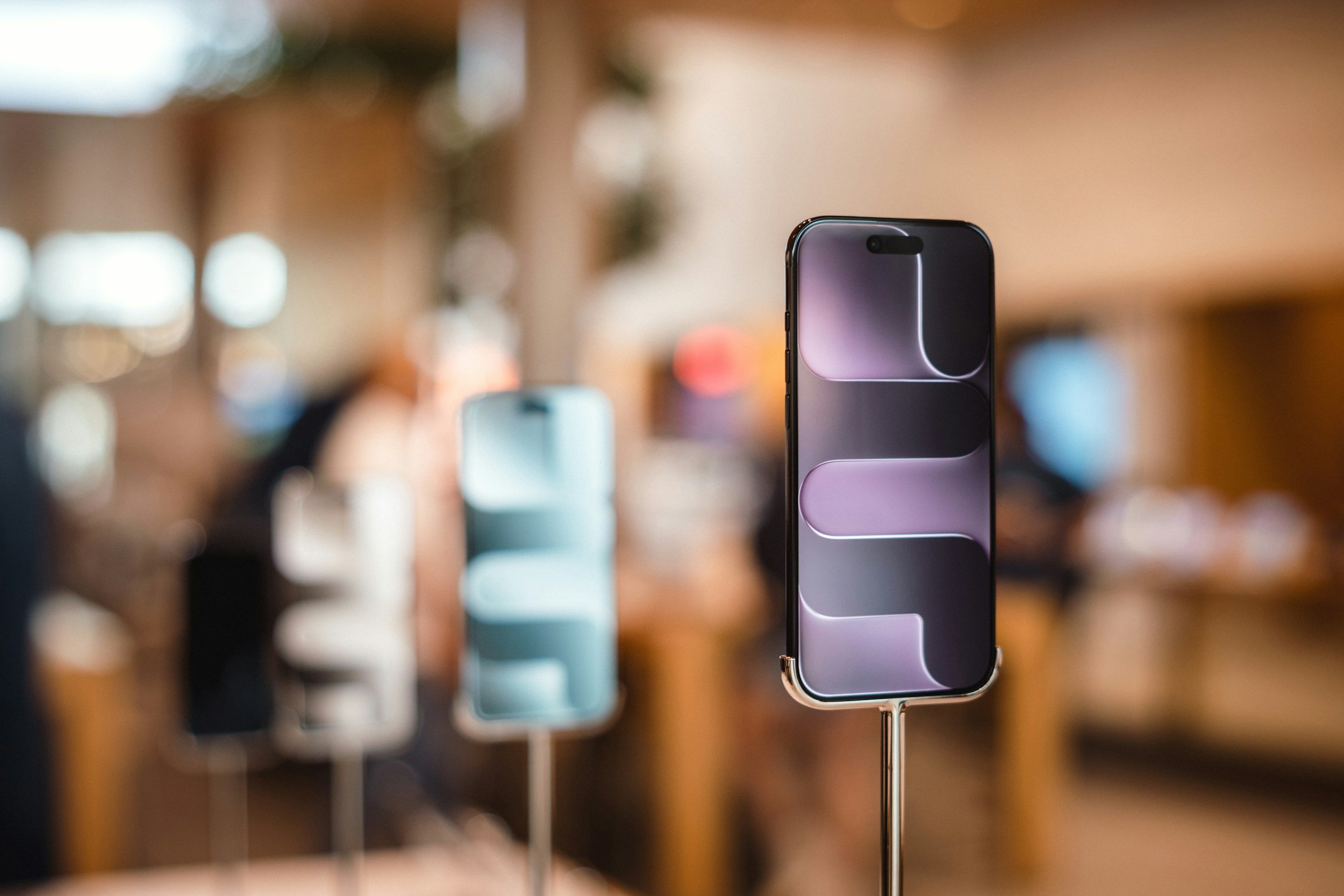
The rise of mobile technology has transformed marketing and communication more dramatically than any shift since social media first reshaped brand storytelling. With an estimated 91% of Americans owning a smartphone and users accessing the web through a mobile device, brands must design experiences that meet consumers where they are, on the phone, multitasking, and expecting seamless connectivity (Pew Research Center, 2025). Approximately 35% of that time is spent on social media apps worldwide. Mobile screens have become the new storefront, influencing how people search, shop, and make decisions in real time.

How AI Is Transforming Modern Marketing Communication—and Why Upskilling Is Now Essential
Artificial intelligence (AI) has moved beyond the experimentation phase and is now revolutionizing the core of modern marketing and communication based professions. Adoption rates continue to climb, with more than 90% of senior business leaders incorporating AI tools into daily workflows and nearly two-thirds expecting AI to significantly influence creative development and media planning in the next few years (Forbes, 2025). The AI market is projected to experience a fourfold increase between 2025 and 2030.

Annotated Bibliography
The following blog entry presents an annotated bibliography that will inform the development of our digital media blog exploring all things related to new and emerging social media, marketing, communications, culture, and advancing artificial intelligence (AI) technology.